Basement Conversion Sheffield: Is It Worth It in a Period Home?
Is a Basement Conversion in Sheffield Worth It?
It’s a fair question, and one we hear often. A basement conversion in Sheffield can turn a cold, underused cellar into a genuine room you’ll spend time in — but it isn’t the right answer for every home or every budget. Before you commit, it pays to understand what you stand to gain, what your property can realistically support, and where the real work lies.
Many of Sheffield and North Derbyshire’s homes were built with cellars beneath the ground floor. These spaces were never designed for living in, but they often have the height, footprint and structure that make a conversion possible. The trick is judging whether yours is one of them — and whether the result justifies the effort.
The Space You Stand to Gain
The biggest draw of a basement conversion is usable living space without losing any garden or extending the footprint of the house. On a tight plot, where a side-return or rear extension isn’t an option, going down rather than out can be the most sensible move.
The biggest draw of a basement conversion is usable living space without losing any garden or extending the footprint of the house.
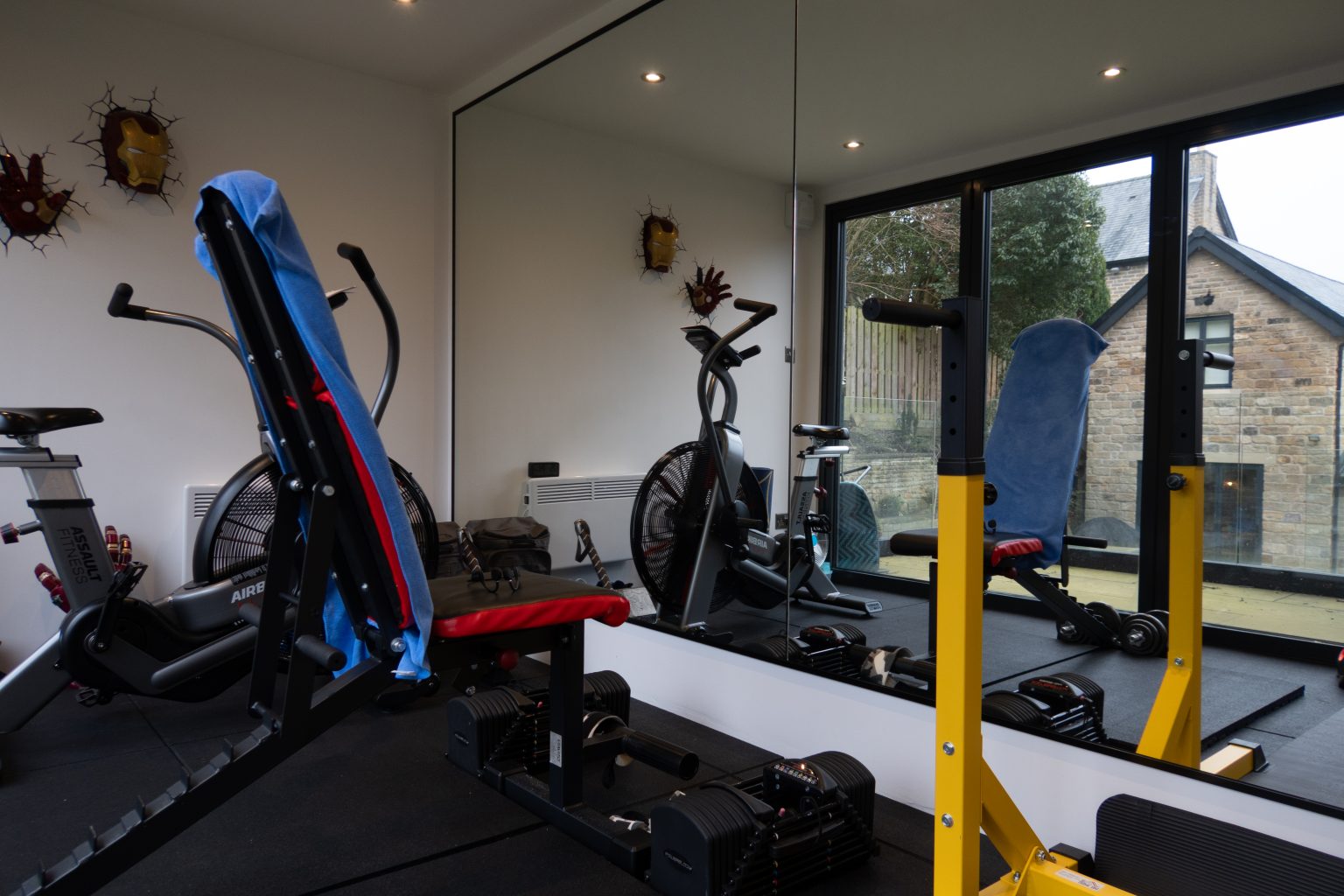
What can a converted basement become? Plenty of things, depending on head height and light:
- A snug, media room or home cinema
- A home office or studio away from the noise of the house
- A utility, plant room or wine store
- A guest bedroom with an en-suite (subject to ventilation and escape requirements)
- A gym or playroom
Rooms that don’t need a south-facing window tend to work best below ground. A cinema room, for instance, makes a virtue of low natural light. If you’re set on a bright, sunny living space, a basement may fight you — and a loft conversion or house extension might serve you better.
Does It Add Value?
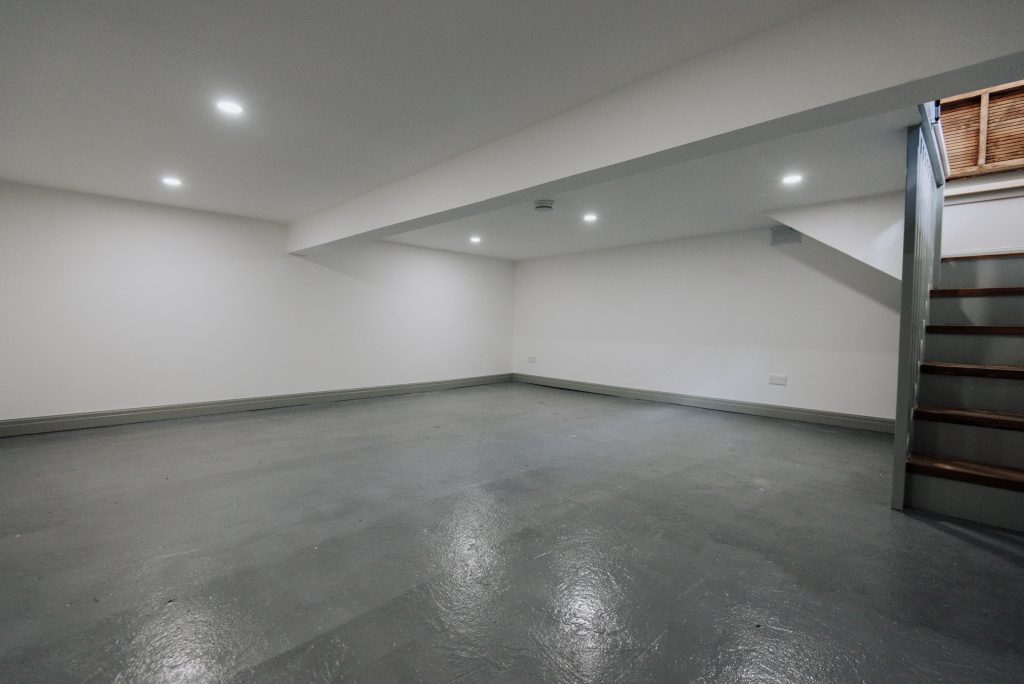
A well-executed basement conversion can add value, but the figure depends entirely on your home, your street and the quality of the finish. The honest position is this: extra floor area in the right home, finished to a standard buyers recognise, generally improves what a property is worth. A damp, low-ceilinged room with poor light rarely does.
The most reliable value comes when the new space genuinely works as a room people want to use — not a converted cellar that still feels like one. That’s a matter of light, head height, dryness and finish, and it’s where the budget tends to concentrate. We’d always rather talk you out of a conversion that won’t pay its way than sell you one that disappoints.
Are Sheffield’s Older Homes Suitable?
Period homes across Sheffield and North Derbyshire vary enormously. A Victorian terrace and an Edwardian villa might both have a cellar, but their suitability for conversion can be very different. The factors that matter most are:
- Head height. Existing cellars are often shorter than habitable rooms need. Lowering the floor is possible, but it’s significant structural work — underpinning the walls and excavating beneath them.
- Structure. The condition of the existing walls and foundations governs how much can be done safely, and at what cost.
- Light and access. A lightwell, larger windows or a separate entrance can transform a basement, but each affects the design and the planning position.
- Ground and water conditions. Sheffield’s varied geology means some homes sit in wetter ground than others. This shapes the whole approach to waterproofing.
A proper survey early on saves disappointment later. Our team starts every basement conversion by assessing what the property can actually support before anyone talks about layouts.
Planning Permission or Permitted Development?
Converting an existing cellar into a habitable room often falls under permitted development, as you’re using space that already exists. But the moment you start lowering floors, adding a lightwell, altering the external appearance or excavating beyond the footprint, planning permission usually comes into play. Listed buildings and conservation areas carry their own rules, and Sheffield has plenty of both.
Building regulations apply regardless of whether you need planning permission. Fire escape, ventilation, ceiling height and structural work all sit under building control, and they aren’t optional. Getting clear on the route at the outset prevents costly surprises, which is why considered architectural design at the start is rarely money wasted.
Waterproofing: The Part That Matters Most
If there’s one area where corners cannot be cut, it’s keeping the basement dry. Below-ground spaces are governed by BS 8102, the British Standard for protecting structures against water from the ground. A conversion that ignores it will, sooner or later, suffer damp — and damp undoes every other pound you’ve spent.
There are different approaches, broadly described as barrier protection, drained protection (a cavity drainage system that manages water rather than fighting it) and structural integral protection. The right choice depends on the ground conditions, the structure and how the room will be used. In many of Sheffield’s older homes, a cavity drainage system offers a robust, maintainable answer. The detail matters enormously, and it’s specialist work — not a job for guesswork.
So, Is It Worth It?
A basement conversion is worth it when three things line up: the property can support the work, the room you create is one you’ll genuinely use, and the waterproofing is done properly. Where any of those is missing, your money may go further elsewhere — perhaps a loft conversion, a rear extension, or a complete refurbishment that reworks the space you already have.
Where it does add up, the result is space that feels like a natural part of the home rather than an afterthought — a finished room with the same care we bring to our kitchens, bathrooms and luxury home builds. Our three Best of Houzz Service awards reflect how we approach every project, basements included: clearly, honestly, and seeing the same people through from first conversation to final fix.
Talk to Our Team
If you’re weighing up a basement conversion in Sheffield or North Derbyshire, we’d be glad to take a look at what your home can support and give you a straight answer. Talk to our team and we’ll help you decide whether going down is the right move for your home and budget.
